
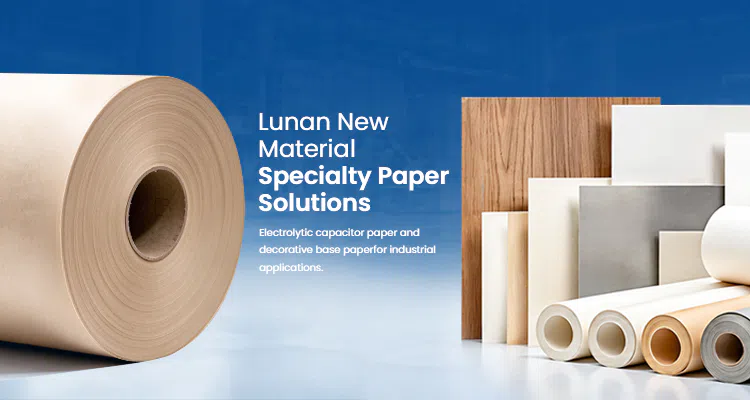
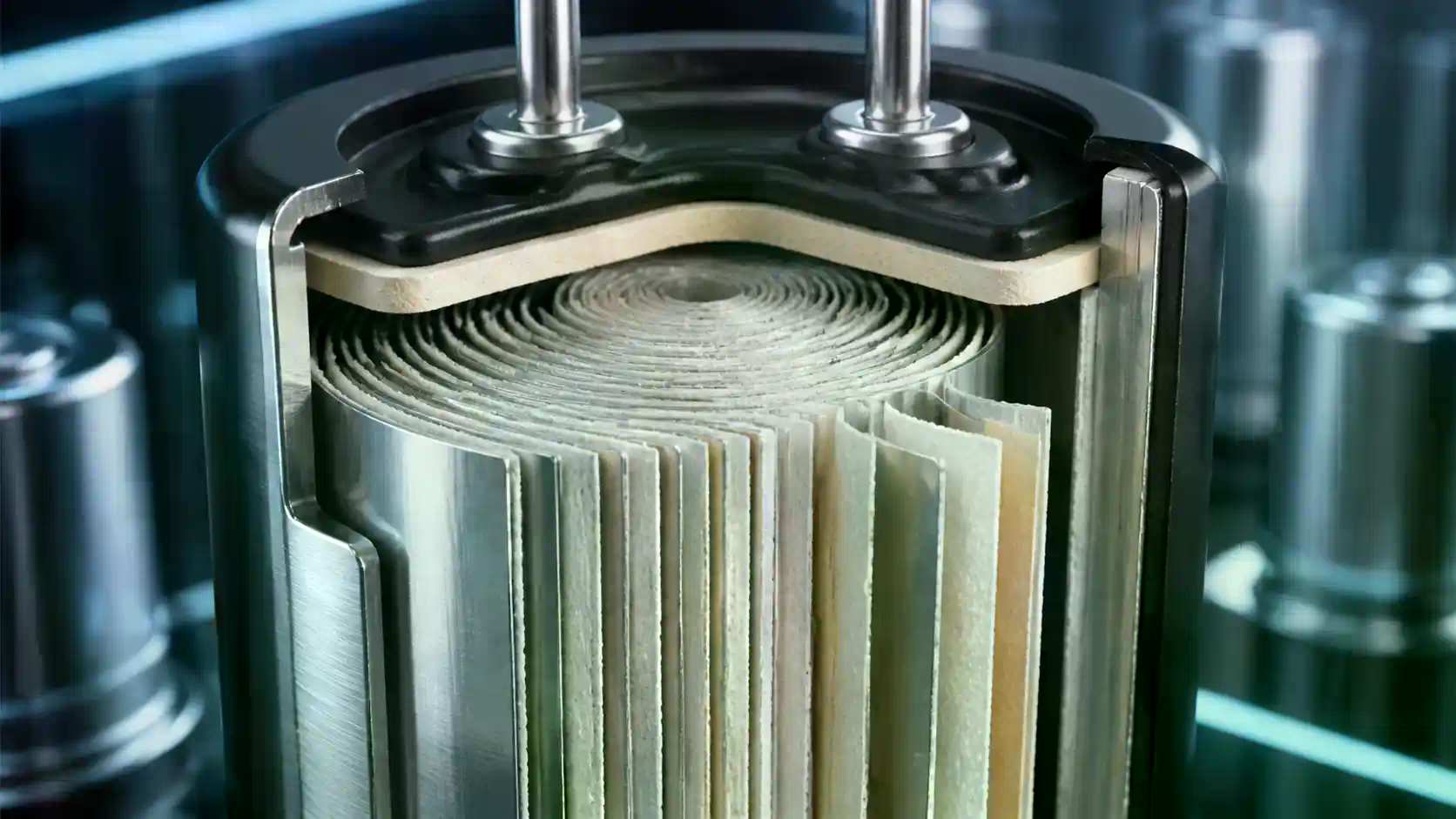
In aluminum electrolytic capacitors, a few microns of paper can determine whether a design stays stable in real operating conditions. Buyers often search for electrolytic capacitor paper when they really need clarity: Which paper goes inside the winding as separator paper, and which paper protects the sealing and cover area as electrical insulation paper? Getting that distinction right is the fastest way to shortlist materials with fewer qualification loops.

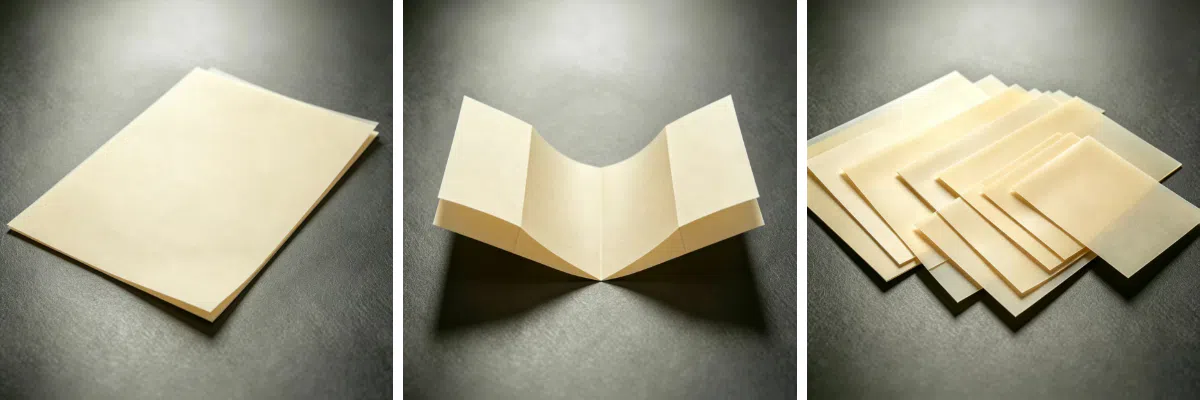
Where electrolytic capacitor paper fits in the capacitor stack?
Across the industry, aluminum electrolyticcapacitor separator paper is positioned between electrode foils to help maintain separation while allowing electrolyte to be held within the element. In procurement terms, this is why electrolytic capacitor paper is typically evaluated for consistency in structure and behavior under the intended voltage class and process conditions.
Just as important, separator paper is not the only paper component in a finished capacitor. Many capacitor builds also require dedicated electrical insulation paper around cover plates, terminals, sealing positions, and inside outer insulation sleeves—functions that are different from separator paper inside the winding.
Separator paper vs. electrical insulation paper in purchasing language.
A practical rule of thumb is to treat these as two different line items:
- Electrolytic capacitor paper (separator paper): purchased for internal element construction in aluminum electrolytic capacitors, often including double-layer composite capacitor paper options for medium-to-high voltage designs.
- Electrical Insulation Paper: purchased for cover isolation, closure sealing, and sleeve insulation. According to the product overview, it is designed to provide insulating protection between capacitor cover plates and terminals, at aluminum-can sealing positions, and inside outer insulation sleeves, with a focus on dielectric strength, thermal stability, and electrolyte-resistant performance.
Double-layer composite capacitor paper options for medium and high voltage.
When engineers specify high voltage electrolytic capacitor paper, they commonly look for product structures that balance multiple priorities. Lunan New Material lists several double-layer composite capacitor paper series positioned for medium-to-high voltage aluminum electrolytic capacitors:

WM2 Series dual-density construction.
The WM2 Series Electrolytic Capacitor Paper is described as a dedicated dual-density double-layer electrolytic capacitor paper for medium-high voltage aluminum electrolytic capacitors, combining a high density W fiber layer and a low density M fiber layer through composite papermaking workflows.
WD270 Series differentiated functional and absorption layers.
The WD270 Series Electrolytic Capacitor Paper is presented as a self-developed double-layer composite electrolytic capacitor paper for medium and high voltage applications, using a differentiated double-layer structure with a high-density functional layer and a low-density absorption layer.
This type of layered configuration is relevant for buyers who need a clearer split between dielectric behavior and electrolyte management. In sourcing discussions, such structure-level language is often more useful than generic terms like “capacitor tissue” or “electrolyte paper,” because it points directly to how the sheet is intended to behave inside the capacitor element under process and operating stress.
WCD2 Series low-loss, voltage-resistant layering.
TheWCD2 Series Electrolytic Capacitor Paper is manufactured by long-cylinder double-layer composite papermaking. Its cylinder layer uses ultra-low loss CD pulp to realize low dissipation factor, while the fourdrinier layer is described as providing excellent voltage resistance.
Key published specifications for electrical insulation paper.
For buyers who need electrical insulation paper for aluminum electrolytic capacitors, Lunan’s published parameters include:
| Parameter | Published value |
|---|---|
| Thickness | 40–120 μm, customizable |
| Breakdown voltage | ≥500 V |
| Temperature resistance | ≥125 ℃ |
| Oil absorption | Moderate and controllable according to application requirements |
About the manufacturer
Shandong Lunan New Material Co., Ltd. is a specialty paper manufacturer located in Tancheng Economic Development Zone, Linyi City, Shandong Province, China. The company states an annual production capacity of 120,000 tons, and lists Decorative Base Paper and Electrolytic Capacitor Paper among its core products.
To review categories and series, buyers can navigate the product pages at www.lunannewmaterial.com/products.
FAQs
Are electrolytic capacitor paper and electrical insulation paper interchangeable?
No. Electrical insulation paper is specified for cover isolation, closure sealing, and sleeve insulation, while electrolytic capacitor paper is specified for internal capacitor element construction.
Which Lunan series are positioned for medium and high voltage applications?
Lunan describes WM2 and WD270 as double-layer composite electrolytic capacitor paper for medium-to-high voltage or medium and high voltage applications, and WCD2 as a long-cylinder double-layer composite structure focused on low dissipation factor and voltage resistance.
What published parameters are available for Lunan electrical insulation paper?
Thickness 40–120 μm (customizable), breakdown voltage ≥500 V, temperature resistance ≥125 ℃, and moderate or controllable oil absorption.
What should purchasing teams confirm before qualification?
Confirm which paper location is being specified, separator versus sealing, cover, or sleeve insulation, then match the series structure and published parameters to the capacitor design and process requirements.
References
- Kodama, H. (n.d.). Electrical Energy Storage Devices & Systems. Resonac.
- Ichimura, et al. (2005). Separator for electrochemical device, and electrochemical device. Semantic Scholar.


